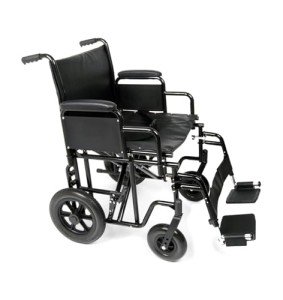
Bariatric Wheelchair Weight Capacity
Bariatric wheelchairs are created to overcome a number of the challenges provided by basic wheelchairs. They typically include broader seat dimensions and remarkable weight capacities to safely support much heavier users.
They also consist of functions like no-lift repositioning to minimize caregiver stress and enable dignified transfers. These chairs are perfect for individuals with considerable mobility requirements and are frequently covered by medical insurance coverage.
Size and Weight Capacity
A bariatric wheelchair is a kind of wheelchair designed for people who are of bigger builds. These specialized chairs usually have broader seats, reinforced frames, and a higher weight capacity than standard wheelchairs. They can be utilized by individuals who have a high body mass index (BMI), or those with conditions that result in excess weight gain such as muscular dystrophy.
Bariatric wheelchairs can also be personalized with accessories like trays, cushions, and cup holders based upon the user's needs. These personalized bariatric wheelchairs can provide more comfort and support than basic models, assisting the user feel safe and safe in their chair. They can likewise be fitted with seating solutions such as power placing systems or iLevel( r) seating, which help lessen pressure ulcers and improve the general lifestyle for the user.
Picking the best wheelchair can make all the difference for those with restricted mobility, as these chairs are essential tools for independence and everyday activities. To assist guarantee that the wheelchair you pick is the best suitable for your distinct requirements, talk with a certified RESNA rehab professional or healthcare provider. These professionals can evaluate your condition, medical history, and day-to-day routines to find a chair that satisfies all of your criteria.
The perfect bariatric wheelchair ought to have the ability to comfortably seat an individual as much as 700 pounds. This is significantly more than the average weight capacity of a standard wheelchair, which can hold up to 250 to 300 pounds.
For people who are on the heavier side, it can be challenging to navigate a standard wheelchair, which might require the assistance of a caregiver to push. Luckily, numerous bariatric wheelchairs are created to be easier to navigate for both users and caregivers. This is especially important for those who have trouble moving in and out of their chairs, as it can reduce the danger of injury to both the individual being transferred and the caretaker.
In addition, numerous bariatric wheelchairs feature special extra-large wheels that provide added stability and maneuverability for bigger users. They might also feature a no-lift recline system that is operated with an ergonomic foot pump, which helps to avoid strain on the caretaker during repositioning. For maximum convenience, the user can select a chair with features such as Broda's Comfort Tension Seating, which distributes pressure evenly across the body, minimizing discomfort and the threat of skin damage.
Seating Options
For people who use a wheelchair, proper seating can substantially impact posture and convenience. For bariatric individuals, it's crucial to select a chair that supplies a responsive seating system that reacts to body shape, postural obstacles and mobility requirements. For instance, a person who foot propels may need a broader cushion width compared to back support width to make sure that the center of gravity changes as needed.
Selecting the best bariatric wheelchair can also help avoid pressure injuries, along with other pains and health issues connected with extended seating time. For instance, a seat that's too narrow can cause skin shear, while seats that are too large can turn the hips and put stress on the hip joints. The good news is, there are many alternatives readily available to deal with these issues and supply an optimal fit for bariatric users.
For example, the unbalanced centre-mount footrest option discovered in Broda's suite of bariatric wheelchairs lowers tension on the knees and feet while providing greater stability. The adjustable positioning system can be quickly adjusted to accommodate different physique and address particular seating obstacles, such as a lack of assistance around the gluteal location. In addition, a no-lift repositioning function decreases caretaker strain and makes it possible for a safer transfer process for patients, while an assisted back recline uses pressurized gas cylinders to assist ease users into a reclined position with little effort.
Another option is to consider the addition of specialized bariatric devices. For example, a bariatric back walking cane or particularly designed placing belts can improve stability and assistance while avoiding pressure ulcers. Likewise, a cushion like the AliMed Bariatric Tri-Foam Cushion can use advanced pressure relief that assists prevent sores and promotes airflow to reduce heat build-up while sitting for long durations of time.
Eventually, choosing bariatric wheelchair for sale can assist people stay mobile and active, enabling them to keep their independence and delight in a much better quality of life. To make sure that you pick the ideal wheelchair for your requirements, make certain to accurately determine your body frame and consider weight capacity, seat dimensions, seating system and strengthened parts.
Weight Distribution
Bariatric wheelchairs can hold more weight than basic wheelchairs. They have actually strengthened frames, additional padding, and larger seats designed to accommodate a variety of physique. They're also created to navigate on a variety of surface areas and surfaces.
Nevertheless, the high weight capacity of bariatric wheelchairs creates unique obstacles. The high weight of a bariatric client can increase the amount of friction between the wheels and the ground, making the chair difficult to move. This friction is especially visible on soft, uneven surface areas and can make it challenging to steer the wheelchair.
This increased friction can be gotten rid of by adjusting the chair's center of mass. By moving the weight of the seat to the front of the chair, you can improve its ability to roll and maneuver. This can be achieved by altering the height of the footplates and the axles. By adjusting the center of mass, you can also minimize the amount of force that is required to push the wheelchair forward.
Another crucial feature to think about when picking a bariatric wheelchair is its turning radius. Normal rear-wheel drive wheelchairs have a long turning radius that can be difficult to navigate in tight areas and small corridors. Fortunately, there are alternatives for bariatric wheelchairs with a shorter turning radius that can be more quickly navigated in smaller spaces.
The right wheelchair can allow a person to preserve their independence and lifestyle. It can help them stay socially active and enjoy their preferred pastimes without the risk of injury or pain.
Finding the right bariatric wheelchair can be a challenging process, but it does not need to be. By working with an experienced and knowledgeable group, you can ensure that you get the best wheelchair to meet your specific requirements and objectives.
Contact Broda today to find out more about how we can assist you discover the ideal bariatric wheelchair. Our thorough resources and supportive staff are here to guide you through every step of the process. We'll assist you understand the various funding and funding alternatives that are readily available, find a dealership near you, and more.
Safety Features
In addition to bigger measurements and greater weight capabilities, bariatric wheelchairs typically include reinforced frames, cushioned armrests, and wider seats. This additional assistance helps prevent skin shearing and supplies a safe and comfortable ride for people who might have problem supporting themselves in conventional chairs. For caregivers, who are often moving big clients in and out of wheelchairs, the ideal chair can also improve ergonomics. Numerous chairs have a no-lift repositioning feature that streamlines side transfers, reducing strain on caregivers.
A high quality bariatric wheelchair can provide the user independence and security, whether they're taking a trip in a neighborhood setting or participating in occasions in the house. In a care setting, it can help facilitate interaction and supply more chances for socializing. Similar to any wheelchair, regular maintenance is essential. Looking for loose or used parts and changing them as needed will increase the life-span of the chair.
Carrying someone in a bariatric wheelchair needs special skills, as there's a risk of injury to both the person being transferred and caregivers. For this factor, carrying equipment like wheelchairs need to be well-planned. This consists of ensuring cars have adequate room to accommodate the chair and any additional equipment, in addition to training staff on how to securely move a bariatric client.
Wheelchairs with an enhanced frame can help avoid accidents by avoiding the chair from collapsing under load. In addition, functions like padded foot rests can help in reducing pressure on feet and ankles.
Bariatric wheelchairs can help individuals of any ages keep their independence and quality of life. For those with health conditions that avoid them from strolling, they can be an essential mobility help. As such, it's important to ensure they have access to wheelchairs that satisfy their needs, including proper maintenance and seating functions that promote healthy posture. If you are in requirement of a wheelchair on your own or an enjoyed one, it's constantly best to seek advice from with a healthcare specialist for guidance. A therapist or assistive innovation professional can examine your physical condition and recommend the most proper model for you. They can also provide assistance on funding choices and acquiring a bariatric wheelchair.